
Hiring for Culture Add: Building Stronger, More Innovative Healthcare Teams
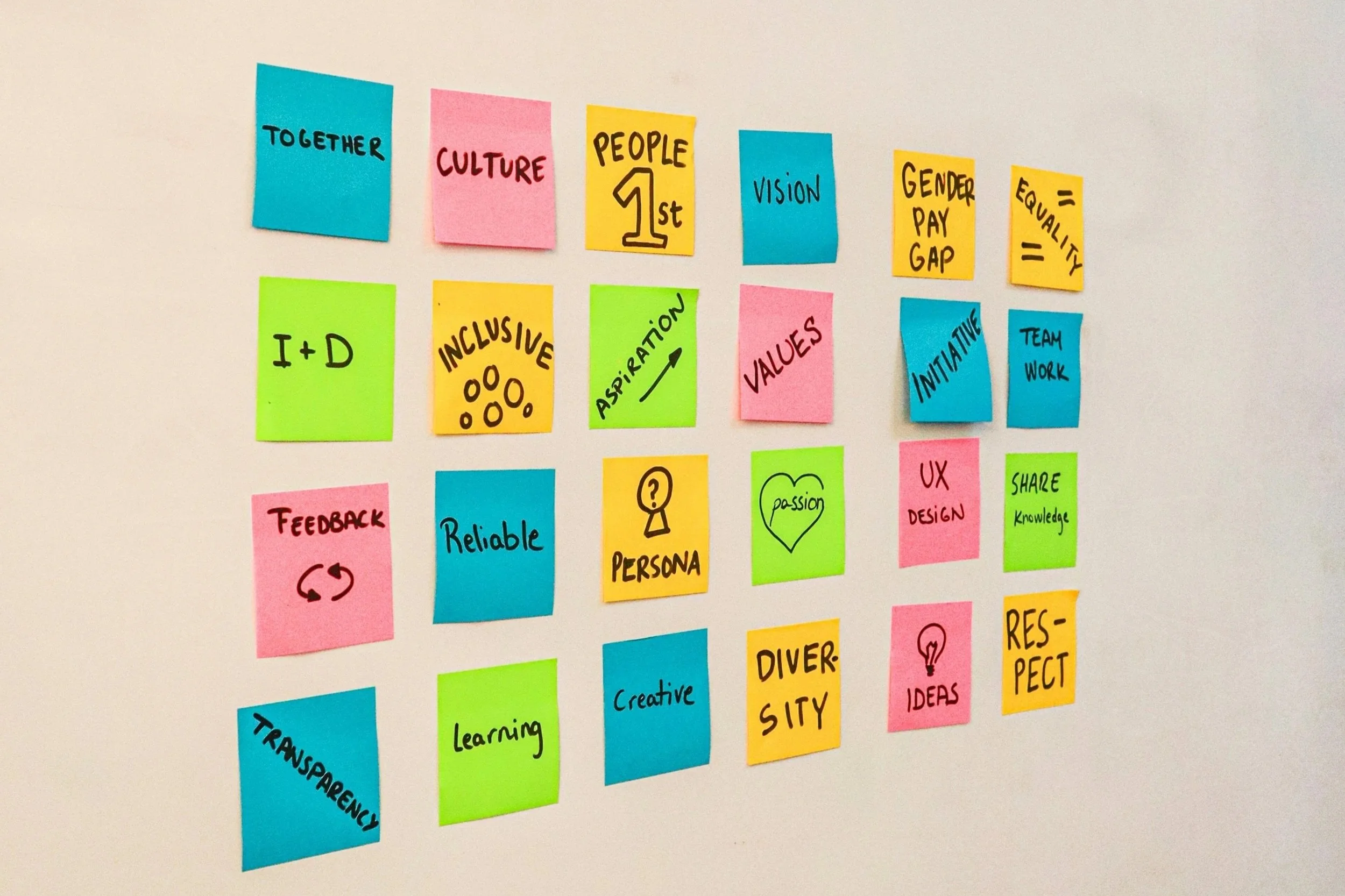
In healthcare recruitment, “culture fit” has long been a popular term. While well-intentioned, hiring solely for fit can unintentionally limit diversity, reinforce groupthink, and exclude candidates who could bring valuable new perspectives.
A more effective approach is hiring for culture add. Culture add focuses on what unique value a candidate can bring to an organisation, rather than just how well they “fit in” with the existing team. Unlike culture fit, which often seeks similarity and comfort, culture add emphasises diversity of thought, experience, and perspective while still aligning with your organisation’s core values. Put simply, it’s about finding candidates who share your mission and standards of care while bringing fresh ideas, skills and strengths that help your organisation grow.
Why Culture Fit Can Limit Healthcare Teams
Culture fit is often interpreted as hiring people who look, think, or work like existing team members. Over time, this can lead to:
Lack of diversity in thinking, background and experience
Reduced innovation and adaptability
Unconscious bias influencing hiring decisions
Teams that struggle to evolve as patient and workforce needs change
In healthcare, where teams need to adapt quickly to changing situations, having everyone in the same can hold back progress.
What Culture Add Really Means
Hiring for culture add focuses on shared values, not sameness. It means selecting candidates who:
Align with your organisation’s mission, values, and standards of care
Bring complementary skills, perspectives, or experiences
Constructively challenge existing ways of working
Strengthen team capability without disrupting core culture
Culture add isn’t about lowering standards, it’s about expanding them.
How to Hire Successfully for Culture Add
1. Get Clear on Core Values
Before assessing candidates, define what truly matters:
Identify non-negotiable behaviours and values
Separate values from personal preferences or “likeability”
Ensure hiring managers are aligned on what culture actually looks like
Clarity reduces bias and creates consistency.
2. Ask Better Interview Questions
Replace vague “culture questions” with evidence-based ones:
Ask candidates how they’ve contributed to team culture in the past
Explore experiences working with diverse teams or viewpoints
Use scenario-based questions to assess values in action
Focus on behaviours, not assumptions.
3. Assess Contribution, Not Similarity
Instead of asking “Will they fit in?” ask:
What new perspective does this person bring?
How will they strengthen or balance the existing team?
What gaps could they help fill?
This shift reframes hiring conversations toward growth and capability.
4. Build Diverse Interview Panels
Diversity in decision-making leads to better outcomes:
Involve team members with different backgrounds or roles
Encourage multiple viewpoints during assessment
Challenge bias through structured scoring and feedback
This supports fairer, more inclusive hiring decisions.
The Benefits of Hiring for Culture Add
Organisations that hire for culture add often see:
Stronger, more resilient teams
Increased innovation and problem-solving
Higher engagement and retention
A culture that evolves alongside patient and workforce needs
For healthcare organisations, this adaptability is essential.
Final Thought
Hiring for culture fit may feel safe, but hiring for culture add builds stronger, more future-ready teams. By focusing on shared values and meaningful contribution, healthcare organisations can create inclusive cultures that support high performance and exceptional care.